


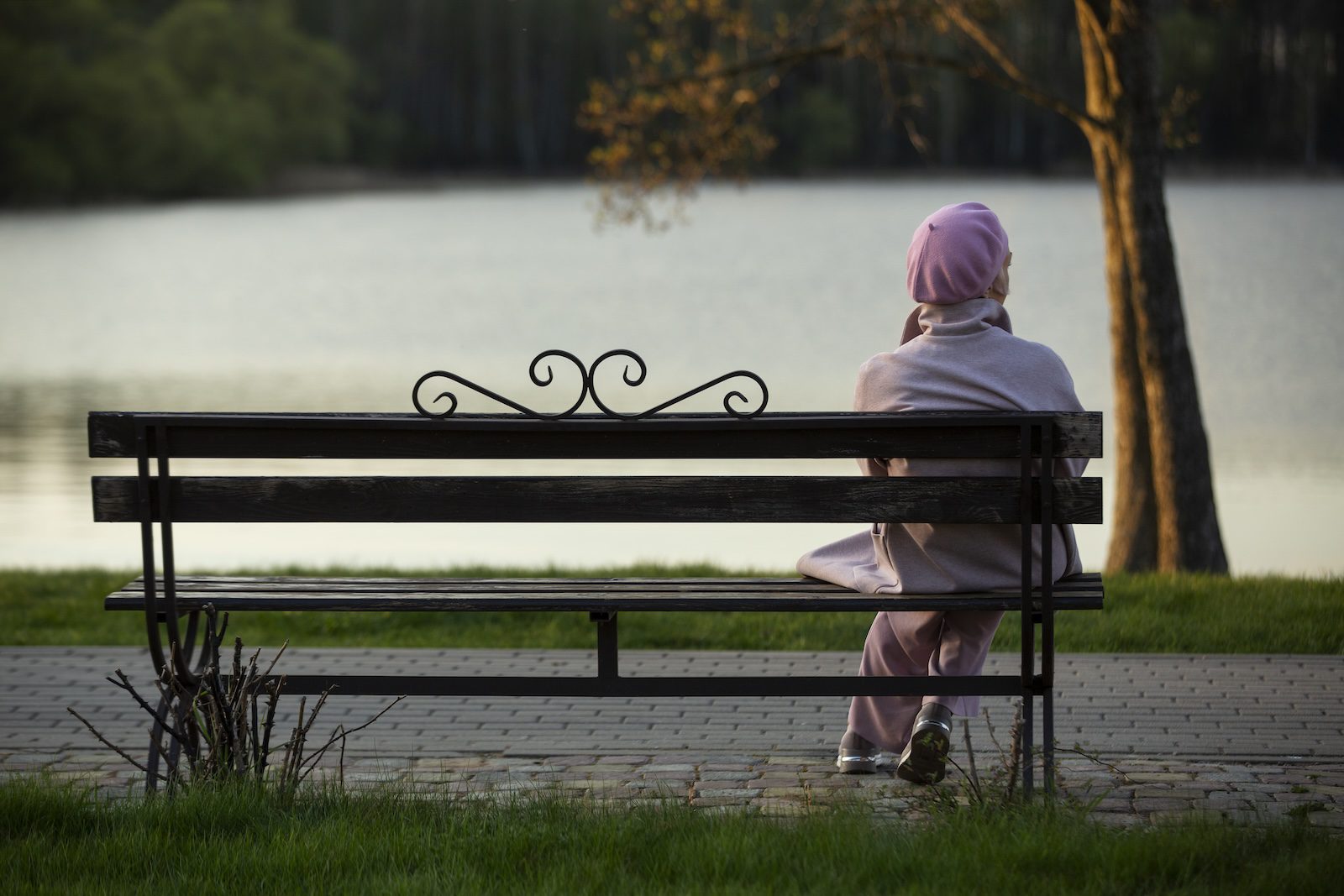
Let’s say you have about 1,000 followers on social media. You then post a video about what it is like to have no friends. Basically, you might expect a few sympathetic or “I feel you” comments, and then a quick scroll to the next video.
Now, imagine that video gets you a thousand followers and 200,000 views, but the only attention you are used to is texts from the phone company or loved ones. The same happened to Toronto-based creator Lana Isa, whose content has become part of a growing trend built around something loneliness influencers have previously tried to hide: being alone.
Today, some are flipping the script, embracing the alone idea completely. They’re now posting their alone time. Rather than apologizing for the empty calendar, they are making it the content.
Quick answer
Loneliness influencers are creators who document solitary lives (solo cinema trips, evenings alone, “no friends” diaries) without framing it as a problem. The genre emerged in late 2025 and went mainstream by mid-2026. Its appeal rests on a real trend: loneliness among 18-to-29-year-olds rose 0.56 standard deviations between 1976 and 2019.
The genre, its creators, and how fast it moved
The best and easiest way to understand the loneliness influencer is to first forget the word “influencer.” They are not necessarily walking around saying, “Being lonely is amazing.” The content is usually more subtle than that. For instance, if you search for loneliness influencers TikTok, Instagram, and other socials will highlight creators filming themselves doing things by themselves. Think of going to the gym alone, cooking dinner on Friday, or sharing a “solo date” at a restaurant just to show what their day without friends is like.
The twist is that these experiences aren’t automatically presented as sad but peaceful, sometimes funny, and other times they’re just incredibly relatable. That is part of what makes the trend so different from the usual social media formula.
A few years back, being alone was something people tried to disguise online. An empty table for one could feel like something you’d rather crop out. But now, loneliness influencers are basically saying: Why crop it out?
Lana Isa is one of the clearest examples. The Toronto-based creator started making content after a breakup and a cross-country move. She described a period when the only texts she got were from her sister, mother, and the phone company.
Her first “lone girl” video attracted around 200,000 views when she had roughly 1,000 followers. By early June 2026, MindSite News reported nearly 200,000 Instagram followers, while the Globe and Mail reported more than 400,000 followers across Instagram and TikTok by the end of August.
The catch here is that these figures aren’t directly comparable. June’s number is Instagram-only, while August’s combines Instagram and TikTok. So, while the figures demonstrate substantial reach, they shouldn’t be presented as evidence that the following has simply doubled.
Isa isn’t alone in this corner of the internet.
Another now well-known Toronto creator, Min Jo’s “solo bar hopping” series took off on TikTok in November 2025, with a breakout video passing 220,000 views. There are also other creators associated with the trend, such as Pauline Cee, Drama Free Diaries, and Zazainchina.
Naturally, the internet has started giving the phenomenon names, with the most common ones being “loneliness influencers”, solitude-maxxing, solo-dating, and loner girl.
The speed of the coverage tells its own story. Min Jo’s videos were already gaining traction in November 2025. By June, 2026, MindSite News and Psychology Today had covered the trend, followed by the Irish Times and Vogue Adria, with CNN and the Globe and Mail joining the conversation in August.
In other words, this isn’t an established social media category with years of history behind it.
It’s a rapidly forming genre, and that makes the audience response particularly interesting.
Table 1: The genre, as reported
| Creator | Base | Signature format | Reach |
| Lana Isa (@lanasololife) | Toronto | “Loner girl” daily rituals, solo cinema | ~200k Instagram (Jun 2026); 400k+ combined (Aug 2026) |
| Min Jo | Toronto | “Solo bar hopping” | 220k+ views on the breakout video, Nov 2025 |
| Pauline Cee | — | Solo rituals | — |
| Drama Free Diaries | — | Ordinary solo life | — |
| Zazainchina | — | Living alone, no friends | — |
Sources: Vogue Adria, MindSite News, The Globe and Mail. Follower counts are from different dates and different platform combinations — not comparable.
The Audience is Real: 43 years of Rising Young-Adult Loneliness
Here’s where things get more interesting. You could easily dismiss the popularity of loneliness content if the experience behind it were completely disconnected from reality, but it’s not. A major 2021 meta-analysis examined loneliness among emerging adults using data from 345 studies, 449 means, and 437 independent samples, representing roughly 124,000 participants.
The study showed that loneliness, particularly among 18- to 29-year-olds, rose by 0.56 standard deviations between 1976 and 2019. The increase was especially noticeable in North American studies. Still, that doesn’t mean every young adult is lonely — or that social media is automatically to blame. This data shows that the feeling discussed by loneliness influencers has a quantifiable history.
Also, the same research found that loneliness among older adults is pretty stable. The increase was associated with young adulthood, the same broad age groups heavily represented in the current wave of “no friends” content.
So, is Gen Z the loneliest generation? That’s a much harder claim to support. “Gen Z is the loneliness generation” is a catchy media label, but it isn’t what the research actually found. The defensible conclusion is that loneliness among 18-to-29-year-olds increased over a long period, rather than that one generation can definitively be declared the loneliest.
Infographic 1: Loneliness among young adults rose over 43 years

Even the Researchers Think “Epidemic” Is Too Strong
The 0.56-standard-deviation finding is substantial, but Bücker, the study’s lead author, notes that the increase in loneliness over the period is relatively small.
At the same time, calling the rise “small” doesn’t mean the number is trivial. The 0.56-standard-deviation rise occurred across 43 years, and by Cohen’s commonly used conventions, 0.5 is considered a medium effect while 0.8 is large. That puts 0.56 between medium and large, giving the finding more weight than the word “small” might suggest on its own.
This is where the wording gets interesting. The researchers say that the frequently used term “loneliness epidemic” “seems exaggerated.” So both can be true: loneliness among emerging adults really did rise over the 43 years, and “epidemic” can still make that rise seem more sudden or extreme than the evidence shows.
That distinction matters because loneliness has now become both a research subject and a social media aesthetic. The research points to a measurable long-term increase, while loneliness influencers show that being alone does not automatically mean someone’s life is falling apart. Somewhere between those two ideas is where the real story begins.
Performative Digital Intimacy: What Viewers are Actually Buying
Here’s the strange part about loneliness influencers. They’re supposedly showing us what it looks like to have nobody around, yet thousands or even hundreds of thousands of people are watching. That contradiction is at the heart of the trend.
The Globe and Mail report describes this dynamic as “performative digital intimacy.” Creators share personal-looking parts of their everyday lives, from emotional moments to messy homes, quiet routines, and ordinary experiences. This gives viewers an unusually authentic glimpse into someone’s world. It feels intimate.
But there’s still a camera between you, an algorithm, and sometimes a sponsorship somewhere down the line. This doesn’t make the connection fake, but just unique from ordinary friendship.
The appeal is the message underneath the content. A loneliness influencer can effectively say, “I’m alone, but I’m okay.” For someone who feels left behind by everyone else who seems perfect in their social lives, that message can be comforting. Maybe going to the cinema isn’t embarrassing, or fine dining by yourself isn’t proof that you’re lonely, and perhaps you don’t need a party every Friday. That’s where the trend starts pushing against one of social media’s oldest rules: make your life look impressive.
These influencers are doing the complete opposite, making the quiet, ordinary, and, to some people, awkward moments interesting, and the viewers seem to love it.
They also bring parasocial relationships to their audience. A viewer can become deeply familiar with such content creators without knowing them because they recognize and understand their routines and remember their stories. It can feel a little like having a familiar person on the other side of the screen.
But familiarity doesn’t equate to friendship, and just watching someone living alone doesn’t necessarily mean you’re building a real-world support network.
Half of Lonely People Reach for a Screen. This Is That, Monetised
The rise of loneliness influencers lines up with something people already do when they feel disconnected: Reach for a screen.
The American Psychiatric Association’s 2024 Healthy Minds Poll, fielded among 2,200 US adults, found that 30% experienced loneliness at least weekly, while 10% experienced it daily. Among adults aged 18 to 34, 30% reported feeling lonely daily or several times a week.
Then, when researchers asked what people do when they feel lonely, half said they usually find a distraction like watching television, listening to a podcast, or using social media. Meanwhile, 38% said they reach out to friends or family.
That makes the popularity of loneliness content pretty interesting. Someone feels lonely; they just pick up their phones and doomscroll through their social media platforms. Rather than seeing another glamorous night out, they find someone behind the screen telling them that they’re spending the night alone too.
It’s like finding someone else sitting in the same emotional waiting room, except they’re filming it and monetizing it. Social media loneliness influencers can monetize different aspects of modern life. This doesn’t automatically make the content exploitative.
Just like any other content aspect on social media, loneliness is an experience that can now be packaged, edited, and uploaded. But the big question is, what happens after the video ends? Does the viewer feel reassured? Do they feel connected? Do they put their phone/tablet down and go for a walk? Or do they watch 37 more videos?
There’s currently no study showing that watching loneliness influencers’ content makes people lonelier.
Almost Nobody Belongs to an Online Community
If social media is creating all these feelings of connection, you’d expect online communities to rank highly when people are asked where they feel they belong, but usually, they don’t.
The American Psychiatric Association’s 2024 poll found that 65% of US adults reported a high sense of belonging through family, while 53% said the same about friends. Online communities? Only 3%.
Table 2: Where belonging actually comes from
| Source of belonging | Share of US adults reporting a high sense of it |
| Family | 65% |
| Friends | 53% |
| Online communities | 3% |
Source: American Psychiatric Association, January 2024, n=2,200. Respondents could name more than one.
Infographic 2: Almost nobody feels they belong to an online community

This data doesn’t mean online communities are meaningless. Some people have formed real friendships, support networks, and even genuine relationships online. However, the survey suggests that when people think about deep belonging, family and friends still dominate. This makes the loneliness influencer phenomenon even more interesting.
By watching videos of people alone, a viewer can feel understood without necessarily feeling like they belong. As an audience, you can watch someone talk about their experience and think, “Finally, someone gets it” or “Wait, that is exactly how I am.” But when the video ends, the phone screen goes dark, and you may still be sitting alone.
That is not necessarily a failure of the content. It simply shows that digital intimacy and real-world belonging are not quite the same thing.
Solitude Isn’t Loneliness — and the Distinction Decides the Argument
When it comes to conversations about loneliness influencers, this is the biggest question: is being alone the same as being lonely? The short answer: it’s not.
It may sound obvious, but the difference changes the whole conversation. Peplau and Perlman’s formulation describes loneliness as the gap between the relationships someone has and the relationships they want. Solitude, meanwhile, is simply being alone, which can also be great.
You may want to see a movie without spending 20 minutes negotiating which film everyone else wants, or just want to sit quietly and enjoy a meal. That is not loneliness.
On the other hand, you can be surrounded by 20 people at a party and desperately wish you were somewhere else with someone who understands you or you can have fun with. The outside picture doesn’t really tell us what is happening internally, and that’s why it would be wrong to look at a creator’s solo dinner and automatically apply research about unwanted social isolation to them.
If someone genuinely enjoys their own company, there’s nothing wrong with that. But some people may not be choosing it. Research on older Americans found that about half of the people experiencing loneliness were not socially isolated at all, which shows that being around other people doesn’t necessarily resolve loneliness.
What matters here isn’t simply being alone. It’s whether someone feels like they have nobody to turn to.
A 2025 national survey in Japan revealed 23.4% of individuals who have nobody to confide in said they felt lonely all the time. Those who had someone to talk to were just 2.5%. That’s a huge 9.4-fold difference. And interestingly, living alone didn’t show nearly the same gap, with loneliness reported by 9.8% versus 3.4%.
The distinction associated with living alone was smaller, but it makes the point pretty clear: the issue is not particularly being alone; it’s having nobody. No one to call, share good or bad news, and nobody to notice when you’ve had a bad day.
What the Creators Actually Say About Themselves
Another reason the loneliness influencer genre needs a little nuance is that the creators themselves don’t necessarily describe their lives as tragic. If anything, most of them seem to be pretty happy or contented.
Lana Isa, for example, has directly rejected the notion that she could be romanticizing loneliness or having no friends. Her explanation is that she’s trying to make the best of her current stage in life.
She shared in a statement,
“I was never trying to romanticize having no friends. I was just trying to romanticize making the most of the current stage of life that you’re in.”
Isa doesn’t mean friendship is bad or that people should abandon their small circles. She’s just saying that being in a particular stage of life doesn’t mean you have to spend every day feeling miserable about it.
She has also said:
“I don’t think anyone wakes up one day and decides they want to have no friends.”
This statement complicates the concept that these creators are deliberately selling loneliness as an ideal. They may be just documenting and sharing what is happening, which is part of the appeal. For the most part, social media gives up only the polished version.
Loneliness influencers are showing bits that would normally stay off-camera.
Destigmatizing or Normalizing? Both Cases, Fairly
So, is romanticizing loneliness harmful, or could there be something good about it? Honestly, we don’t know yet. There’s a concern that when being alone becomes lifestyle content, loneliness can start to look a lot more appealing than it feels in real life. If a person who already feels cut off from other people is constantly seeing “no friends” content, they might feel staying alone is way easier than reaching out and forming real connections.
Nonetheless, it remains a concern, but not an established finding. Right now, there is no study showing that watching solitude content makes viewers lonelier. Plus, for years, social media has encouraged people to present themselves as happy, popular, and constantly surrounded by others.
But today, showing that someone can spend a Friday night alone without treating it as a boring life takes a lot of the pressure off for most people.
One video could therefore affect different viewers in different ways. Some could watch it purely for entertainment; others who enjoy solitude might watch it to feel validated, while some who desperately want more friends might watch and feel understood.
That’s why the only honest position is somewhere between celebration and condemnation. Loneliness influencers aren’t proof that loneliness has now become desirable, nor are they proof that social media is making everyone lonelier. They are evidence of something a lot more interesting: people are becoming increasingly comfortable sharing experiences that would previously have been hidden.
Table 3: The two readings of the same finding
| The Trend’s Critics | The Trend’s Defenders | |
| The rise in young-adult loneliness | 0.56 SD over 43 years — a real, sustained increase | The study’s own authors call “epidemic” overdramatizing |
| What the content does | Normalizes unwanted isolation | Destigmatizes being alone |
| Who’s watching | Lonely people being sold their condition as a lifestyle | People relieved of the pressure to perform a full social life |
| The creators | Monetizing a mental health crisis | “I don’t think anyone wakes up one day and decides they want to have no friends” |
Questions People Ask
What is a loneliness influencer?
A loneliness influencer is a creator who documents a solitary lifestyle through content such as solo cinema trips, quiet evenings, living-alone diaries, and “no friends” experiences. The main difference is that the creator doesn’t necessarily present being alone as a failure or something they need to fix. This is a term that began gaining attention in late 2025 and 2026, as creators such as Lana Isa and Min Jo attracted a large audience.
Is romanticising loneliness harmful?
There is not enough evidence to confirm that loneliness content itself is harmful. Being comfortable with chosen solitude can be healthy, and presenting a quiet weekend as normal may help take off the pressure social media puts on people to constantly appear socially active.
The concern is different when someone is experiencing unwanted isolation. If content makes viewers believe they should accept the lack of meaningful relationships when they want connections, critics argue that it could reinforce the problem.
What’s the difference between solitude and loneliness?
Solitude is essentially being alone. On the other hand, loneliness is more of a feeling that something is missing. For example, you can go out with your friends and still feel lonely, especially if they are enjoying something that you’re not fond of.
Is Gen Z the loneliest generation?
A study found that loneliness among 18-to-29-year-olds increased by 0.56 standard deviations between 1976 and 2019. The same research found that loneliness among older adults remained relatively stable.
However, calling Gen Z “the loneliest generation” goes beyond what the study established. The researchers have cautioned that describing the long-term increases as a “loneliness epidemic” overdramatizes the finding.
Are parasocial relationships bad for you?
There isn’t enough proof from the loneliness influencer trend to make a blanket judgment about parasocial relationships. Some viewers can develop a feeling of familiarity with creators without having a conventional personal relationship with them.
There’s a pretty huge gap here, as currently only 3% of Americans say that online communities give them a strong sense of belonging, compared with 53% who report getting it from friends. So while the internet can help people feel connected, that connection may not quite replace having people in your life offline.
Can watching this content make you lonelier?
Nobody really knows. At the moment, there isn’t a study examining whether watching loneliness influencers makes people feel lonelier or less lonely.
What is clear, though, is that some individuals experiencing loneliness already turn to social media as a way to pass the time or take their minds off things. That makes this new type of content pretty interesting. For some people, it could feel comforting. For others, it might hit a little differently.
Editorial note: Not having many friends, or even having none, doesn’t automatically mean something is wrong. The creators featured here shouldn’t be diagnosed or assumed to have chosen to be alone. And if you’re feeling lonely yourself, there’s no shame in that. Are you struggling or simply want more connection? Try reaching out to someone you trust or a qualified support service.