
Bumble Dating Review
Subscription type:
Payments:
Compatibility:
Pros
- Women-first messaging changes the tone: Conversations start with more intent on both sides, and the inbox stays cleaner than most alternatives manage.
- Gender balance is genuinely strong: A 55/45 split shows up in the matching experience in ways that matter, and it's harder to find than people assume.
- Free tier holds its own: Swiping, matching, and messaging work without paying anything, putting Bumble ahead of apps that lock even basic features.
- Safety is built in, not upsold: Photo verification, in-app calling, and Incognito Mode come with the base product.
Cons
- The timer causes real frustration: Matches dropping off because work got busy that week is a legitimate and recurring complaint.
- Smaller cities are a problem: A thin user pool is a thin user pool regardless of which plan you're on.
- Paid plans cost more than they used to: Independent 2026 sources confirm the pricing has gone up noticeably in recent years.
- Travel Mode shows its hand: That badge on your profile can color how matches see you before you've said anything.
You match with someone. Good photo, interesting bio, and seems worth talking to. Now you're both just sitting there waiting for the other person to say something first.
Bumble decided that was a problem worth solving, and its solution was simple enough that you could explain it to anyone in one sentence: women send the first message, or the match disappears in 24 hours.
That idea launched the app in 2014 and built a loyal following fast. Now, ten years and a few price increases later, the real question is whether Bumble has built something genuinely worth paying for, or whether it's been coasting on a smart founding idea while competitors caught up.
Here's what the app looks like in 2026.
What Is Bumble?

Bumble is a dating app where, in heterosexual matches, women send the first message - or the connection disappears after 24 hours. It's not a setting you toggle. It's the rule the whole product is built around.
Whitney Wolfe Herd started it in 2014 after her time at Tinder, where she'd seen up close how exhausting and often hostile online dating felt from a woman's perspective.
Today, the app is free on iOS and Android and runs on desktop at bumble.com. Bumble also includes BFF mode for friendships and Bizz for professional networking, both sitting inside the same app and completely separate from the dating side.
How Bumble Works
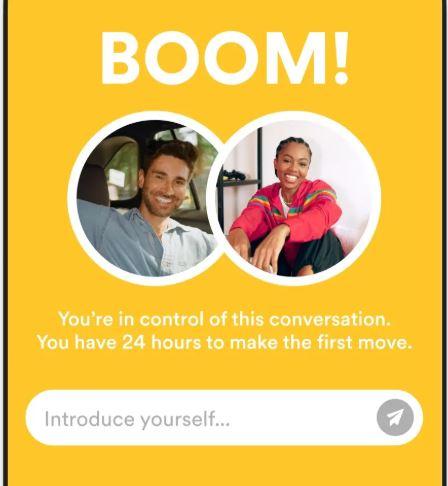
You swipe, you match — that part is familiar. What's different is what happens after the match.
In heterosexual pairings, the woman sends the opening message within 24 hours, or the connection expires. As of 2026, women can also hand that opener to their match. Once the first message goes out, both parties have a day to respond before the match drops off again.
Getting started looks like this:
- Download the app and set up a profile with photos, a bio, up to five interest badges, and three prompt answers.
- Go through photo verification — you mimic a pose shown on screen, and Bumble confirms that real humans review it.
- Swipe through profiles. When two people both swipe right, it becomes a match.
The woman sends the first message within 24 hours, or the match disappears. - Both sides have a whole day from each message to keep things going.
- When it feels right, switch to video or voice chat inside the app. No phone numbers involved.
The timer is there on purpose. Bumble wants conversations actually to happen rather than sit in a queue going nowhere. Some people appreciate the push. Others, particularly those with demanding schedules, find it stressful.
Features of the Bumble Dating App
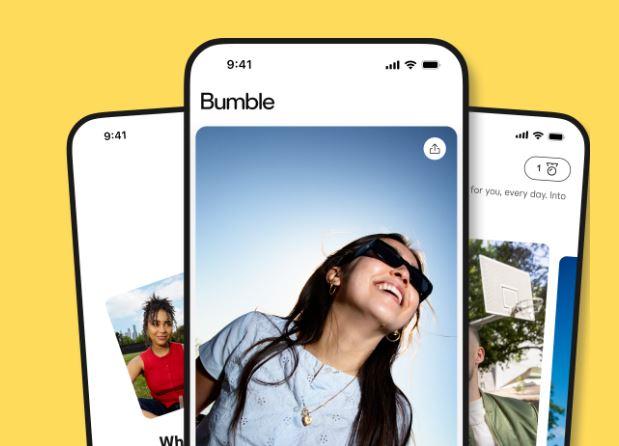
Bumble has added considerably more since its early swipe-and-match days. Here's what's in the app and worth understanding before you download.
Opening Move
You put a question on your profile — something like "what does your ideal weekend look like?" — and matches respond to it directly instead of facing a blank message box. It sidesteps the awkward opener problem before it even comes up, which matters more than it sounds when you consider how many good matches go nowhere because nobody knows how to start.
SuperSwipe
Tapping the star on someone's profile sends them a notification that you're specifically interested before they've even come across you in their queue. SuperSwipe is available on paid plans or as a standalone one-off purchase.
Spotlight
Switch it on, and your profile moves to the front of the queue for 30 minutes, putting you in front of more people without them knowing you used it. It's one of the more straightforward paid features in terms of what it does.
Travel Mode
Before you land in a new city, you can switch your location there and start conversations ahead of the trip. Worth knowing upfront: Bumble puts a visible Travel Mode badge on your profile, and some matches bring it up within the first few messages.
Incognito Mode
When this is switched on, your profile stops appearing in general browsing and only shows up to people you've already swiped right on — a clean option for users who want more control over who discovers them in the first place.
Backtrack
If you accidentally swipe left on someone, Backtrack lets Premium members undo that last left swipe. It sounds minor right up until the moment you need it.
Rematch
When a match expires before either person gets a conversation started, Rematch lets you send a fresh connection request — but only if it was your turn to send the first message. If the opener was supposed to come from the other person, reconnecting is their call to make.
Notes
Premium+ subscribers can drop a short message on someone's profile before matching — something tied to a specific photo or prompt they've shared. It's a way to be memorable before the other person even sees your face in their queue.
Video and Voice Calls
Calls happen directly inside the app, which means phone numbers never need to come up until you're genuinely ready for that step. It's a practical safety feature that keeps early conversations on safer ground.
Snooze Mode
Need a break without losing everything you've built? Snooze Mode pauses your profile while keeping your matches and conversations intact, ready to be picked up when you come back.
Bumble Pricing
The free tier is genuinely usable. Swiping, matching, and messaging all work without a subscription. When you want more, three paid plans are available:
| Plan | Approx. Monthly Cost | What's Added |
|---|---|---|
| Bumble Boost | $17 — $23 | Unlimited likes, SuperSwipes, Spotlight, Extends, Rematch, and Backtrack |
| Bumble Premium | $33 — $54 | Everything in Boost, plus Beeline, Advanced Filters, Incognito Mode, and Travel Mode |
| Bumble Premium+ | ~$80 | Everything in Premium, plus 10 SuperSwipes, Notes, and Profile Insights |
Individual SuperSwipes, Spotlights, and Notes are also sold separately for users who don't need a full subscription plan. Android plans tend to run a little cheaper than iOS because of how platform fees are structured between Google and Apple.
Auto-renewal is switched on by default across all plans. To turn it off, iPhone users go to Settings, then Subscriptions. Android users go to Google Play, then Subscriptions and desktop users handle it through their account settings. Do this shortly after subscribing rather than waiting until the billing date is close.
Who Is Bumble For?
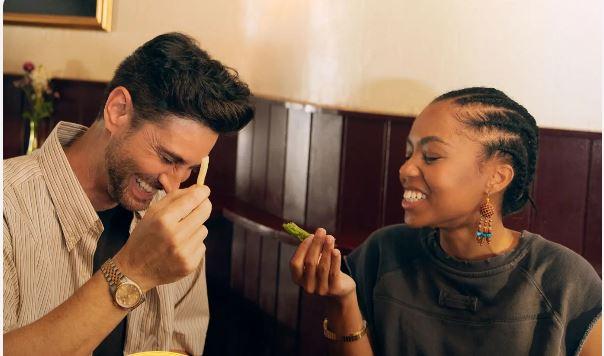
Bumble suits certain users well and frustrates others quickly. People who tend to stick around and get results usually share a few things:
- Women who want to set the pace and control who they hear from
- Adults in bigger cities where there are enough active users to make the matching features worth using
- People who want something real and lasting rather than something quick and casual
- Frequent travelers who can actually get value out of Travel Mode
- Users who want a less aggressive inbox as a starting point, not a feature they have to hunt for
Who It's Not For
Bumble is a genuine mismatch for some users, and spotting that early saves time and money:
- Anyone in a smaller city or rural area where the user pool is too thin to get much out of the app
- People who find waiting for the other person to initiate frustrating, especially when the clock runs down
- Users who need detailed compatibility filters and don't want to pay for them
- Those after something casual and low-effort — Bumble's whole setup leans the other way
Is Bumble Safe?
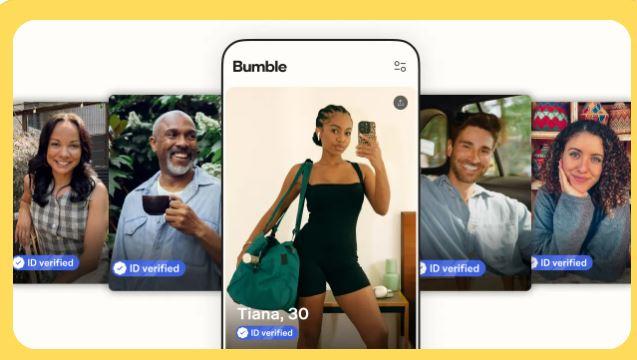
More so than most apps in this space, the features reflect that rather than just the marketing language.
Photo verification goes through real human review per Bumble's own 2026 confirmation — it's not just an automated checkbox. In-app calling means phone numbers never have to come up. Incognito Mode means you decide who even knows you're on the platform.
Bumble's Community Guidelines ban harassment and unsolicited explicit content. The platform enforces these actively rather than leaving them as a wall of text nobody reads. A Safety Center inside the app puts reporting tools and emergency contact options right where users can find them without digging.
The platform also runs AI content moderation and is GDPR-compliant.
Tips for Getting Better Results
A few things separate Bumble users who get somewhere from those who try it for two weeks and delete it.
Be honest in your profile: Bumble's own guide for new users puts it plainly — current photos, accurate bio, and real interests. Wrong matches might come in higher volume, but they go nowhere and waste the time of everyone involved.
Pick your Opening Move carefully: That question sits on your profile for every match to see. Choose something with enough personality in it that people want to respond rather than skip past it.
Shake things up when things go quiet: New photos and updated prompts give the algorithm fresh signals and give returning visitors a reason to look twice. Bumble's beginner guide specifically recommends this when matches start feeling stale.
Test Premium for a week before committing: One-week subscriptions exist, according to Bumble's support page. Use that window to see your Beeline and try the paid features before deciding whether a monthly plan makes sense for where you are and what you're looking for.
FAQs
Is Bumble free to use?
Yes, and it works on the free tier. Swiping, matching, and messaging are all free. Boost adds extras like unlimited likes and Rematch and starts around $17 a month, while Premium and Premium+ go higher with features like Beeline and Travel Mode sitting behind the Premium tier specifically.
Does Bumble work for people looking for something serious?
It leans that way by design. The 24-hour rule and the women-first setup tend to filter for users who have a reason for being on the app beyond curiosity. Bumble's website publishes real couples' stories, and Leslie and Thomas — who married in 2025 after meeting on the app — are one recent example of what the platform is genuinely capable of producing.
How do I cancel my Bumble subscription?
iPhone users cancel through Settings and then Subscriptions. Android users go through Google Play and find Subscriptions from there. Desktop users handle it through account settings. Give yourself a day or two before the renewal date rather than trying to cancel on it — waiting until the last minute leaves too little room for the cancellation to process in time.
What happens when a match expires?
The match drops off both queues. If you're on Boost or Premium, Rematch lets you send a new connection request — but only in situations where the first message was yours to send. If it was the other person's turn to open the conversation, reconnecting is their call rather than yours.
Does Bumble work outside the U.S.?
It does. The app is available in 150 countries and works well in cities like London, Sydney, and Toronto. Smaller towns and rural areas are a different story — a quiet user pool is a quiet user pool, no matter which country you're in.
Verdict
Bumble hasn't lost what made it worth downloading in the first place. The women-first model still produces a more respectful experience than most alternatives. Also, the gender balance is genuinely better than most mainstream apps. The free tier holds up, and the safety features are real.
What's harder to ignore now is that Premium pricing has crept up in ways that make the value harder to justify for casual users. The 24-hour timer, still a defining part of the experience, works well in theory but catches busy people off guard more than Bumble probably wants to admit. And if you're not in a big city, the app's potential is simply capped by who's actually using it near you.
For people in active markets who want a dating app with real intent behind it, Bumble is still worth the download. Just go in knowing what it asks of you — and what it doesn't automatically provide.
Want to know if it works where you are? Pull up the free version, put together a real profile, and see what the local activity looks like. That'll tell you more than any review will.